

For Iranian students looking for an affordable medical education in Europe, Romania offers six-year Medicine programs in English, French, and Romanian at established medical universities. Study Medicine in Romania from Iran involves several specific steps, including recognition of Iranian secondary-school qualifications, university admission, payment of tuition, obtaining the Romanian D/SD study visa, and arranging residence after arrival. This guide explains the current Study Medicine in Romania from Iran requirements, fees, universities, visa process, and expected living costs.
6 Reasons to Study Medicine in Romania from Iran
Choosing to Study Medicine in Romania from Iran can give Iranian students access to internationally oriented medical programs, English-taught courses, European higher education, and competitive tuition fees. Romania also offers a range of established medical universities, relatively affordable living costs, and a clear admission and visa pathway for qualified Iranian applicants.
English-taught Medicine programs are available
One of the main advantages of Study Medicine in Romania from Iran is that Iranian students do not necessarily need to study medicine in Romanian. Universities including Carol Davila University of Medicine and Pharmacy, UMF Cluj-Napoca, UMFST Târgu Mureș, and Ovidius University offer Medicine programs in English. In general, Students can Study Medicine in Romania in English at several established universities offering six-year medical programs.
Medical degrees follow the European higher-education system
Medicine is generally a six-year, 360-ECTS program in Romania. For example, the English Medicine program at UMFST Târgu Mureș lasts six years and awards 360 ECTS. This makes Romania an attractive option for Iranian students seeking a medical education within the European higher-education framework.
Tuition can be competitive compared
For Iranian applicants, Study Medicine in Romania from Iran fees vary considerably by university. Current 2026 listings show English Medicine tuition ranging from about €8,000 to €10,000 per year at several universities.
Living expenses are relatively manageable
Romania remains one of the less expensive EU destinations for international students. Official Study in Romania estimates put general student living costs at approximately €600 per month, although the actual amount depends heavily on the city and accommodation choice.
Iranian qualifications are covered by Romanian recognition rules
A particularly important point for Study Medicine in Romania from Iran is that Iranian secondary qualifications are explicitly included in the 2026 list of diplomas recognized for foreign applicants. The current list identifies the Diplom-e-Motevasete (High School Diploma) and, for graduates before 2020, the Peeshdaneshgahe (Pre-University year).
Students can build their education in an EU country
Romania is an EU member state, and its accredited universities offer programs within the European higher-education system. For Iranian students planning a long-term academic career in Europe, this can make Romania a practical starting point for medical education and later professional pathways, subject to the recognition and licensing rules of the country where they ultimately wish to practise.
Best Medical Universities in Romania for Iranian Students
Study Medicine in Romania from Iran offers Iranian students access to English-taught medical programs, established universities, affordable living costs, and a European education system. With several universities to choose from, students can find programs that match their academic goals and budget.
Carol Davila University of Medicine and Pharmacy
Carol Davila University in Bucharest offers a six-year Medicine program taught in English, with 360 ECTS. The 2026 Study in Romania listing gives the non-EU tuition fee as €10,000 per year.
For an Iranian applicant, Bucharest is also worth considering because it is Romania’s largest student city and provides access to a large network of hospitals, services, and international communities.
Iuliu Hațieganu University of Medicine and Pharmacy
UMF Cluj-Napoca offers Medicine in English and French for citizens of third countries, while Romanian-taught Medicine is available for non-European applicants. The English Medicine program is six years and the listed non-EU tuition fee is €10,000 per year.
Victor Babeș University of Medicine and Pharmacy
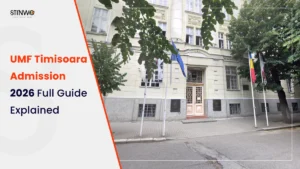
Victor Babeș University of Medicine and Pharmacy in Timișoara offers a six-year Medicine program in English for international students. UMFT is a strong option for Iranian applicants seeking an English-taught medical degree in a major Romanian university city.
Grigore T. Popa University of Medicine and Pharmacy
Grigore T. Popa University of Medicine and Pharmacy in Iași offers Medicine in English for international students. Its established medical education and relatively affordable student living costs make it another option for Iranian students considering medical studies in Romania.
Other Romanian universities also offer Medicine programs for non-EU students. For example, the 2026 Study in Romania database lists €9,000 per year at UMF Iași for Medicine, €9,000 at UMF Timișoara, €8,100 at the University of Oradea, and €6,000 for the Romanian-taught Medicine program at UMFST Târgu Mureș.
Admission Process for Iranian Applicants
The admission process to Study Medicine in Romania from Iran involves selecting a suitable university, preparing Iranian academic documents, submitting the application, obtaining the Letter of Acceptance, paying the required tuition, and applying for the Romanian student visa. Each university may have its own admission criteria and document requirements, so Iranian applicants should check the 2026 rules carefully.

If you are wondering How to Study Medicine in Romania, the process generally includes choosing a university, preparing documents, applying for admission, and obtaining a student visa.
Step 1: Select a Medicine program
The first step in Study Medicine in Romania from Iran is choosing a university and checking its 2026 admission methodology. Admission criteria are not identical across Romanian medical universities, so Iranian applicants should not assume that one university’s requirements automatically apply to another.
Step 2: Prepare the Iranian educational documents
Applicants normally need their secondary-school qualification and academic records prepared according to the university’s requirements. Iranian qualifications are recognized in Romania, with the 2026 documentation specifically identifying the Diplom-e-Motevasete and, where applicable, the pre-university qualification.
Step 3: Submit the application
For non-EU applicants, the university reviews the application and submits the admission file to the Romanian Ministry of Education when required. Study in Romania states that the ministry processing stage can take at least 30 days and up to 60 days. A successful applicant receives a Letter of Acceptance for Studies.
Step 4: Pay the required tuition
After receiving the university’s instructions, the applicant must follow the university’s payment requirements. Proof of payment for at least one year of tuition is required when applying for the Romanian long-stay study visa.
Step 5: Apply for the Romanian study visa
After admission and receipt of the necessary acceptance documentation, the Iranian student applies for the Romanian D/SD long-stay visa for studies through the Romanian diplomatic/consular authorities responsible for the applicant.
Documents Required to Study Medicine in Romania from Iran
Iranian students applying to study Medicine in Romania generally need their high school diploma, academic transcripts, passport, photographs, and university application documents. Depending on the university and visa stage, certified translations, legalized documents, proof of tuition payment, financial documents, medical insurance, and a criminal record certificate may also be required.

Understanding the study medicine in Romania requirements is the first step for students planning their medical education abroad.
Academic documents
For Study Medicine in Romania from Iran, Iranian applicants should expect to prepare:
- Iranian high-school diploma (Diplom-e-Motevasete)
- Academic transcripts
- Peeshdaneshgahe certificate where applicable, particularly for graduates before 2020
- Certified translations where required
- Passport
- University application forms and photographs
- Any additional documents requested by the chosen medical university
The exact document format can differ between universities. Romanian authorities recognize foreign pre-university qualifications through an evaluation process, and CNRED states that recognition of baccalaureate-level documents is generally completed within 30 working days, although additional checks can extend the process.
Documents for the visa stage
For the D/SD visa, Iranian students must provide proof of acceptance for full-time studies, proof that tuition for at least one year has been paid, evidence of financial means, a criminal-record certificate, and medical insurance.
The Romanian Ministry of Foreign Affairs also specifies passport validity requirements: the travel document must generally have been issued within the previous 10 years and remain valid for at least three months beyond the requested visa validity.
Tuition Fees for Iranian Students in 2026
The tuition fees to Study Medicine in Romania from Iran vary by university and program. In 2026, Iranian students, as non-EU applicants, can expect to pay around €8,000–€10,000 per year at several Romanian medical universities, with additional costs for living, accommodation, insurance, and visa processing.

Because Iranian citizens are non-EU citizens, they normally fall under the international/non-EU tuition category. Therefore, Study Medicine in Romania from Iran fees should be calculated using each university’s non-EU rate rather than the Romanian/EU tuition rate.
|
University |
Medicine language |
2026 non-EU tuition |
|
Carol Davila University, Bucharest |
English |
€10,000/year |
|
UMF Cluj-Napoca |
English |
€10,000/year |
|
UMFST Târgu Mureș |
English |
€10,000/year |
|
Ovidius University, Constanța |
English |
€8,000/year |
|
UMF Iași |
English |
€9,000/year |
|
UMF Timișoara |
English |
€9,000/year |
|
University of Oradea |
English |
€8,100/year |
These figures are based on 2026 listings in the official Study in Romania database and should be checked against the university’s final admission notice before payment.
For example, Carol Davila’s official 2026–2027 fee document confirms €10,000 per year for non-EU Medicine students, including its English-taught Medicine program.
Cost of Living in Romania for Iranian students
The cost of living is an important part of planning to Study Medicine in Romania from Iran. Iranian students can generally budget around €600 per month for accommodation, food, transportation, and other daily expenses, although costs vary depending on the city and lifestyle.
Accommodation
For Iranian students planning Study Medicine in Romania from Iran, accommodation will usually be one of the largest monthly expenses after tuition.
Official estimates list university dormitories at approximately €60–€85 per month. Shared private accommodation can be around €80–€150 per person, while private housing generally costs more.
Food and everyday expenses
Food and groceries are estimated at approximately €100–€300 per month. Utilities can add around €40–€60, while phone and internet services may cost approximately €20–€40 per month. Public transportation is estimated at €10–€30 per month.
A realistic budget for an Iranian medical student will depend on the city and lifestyle. Bucharest and Cluj-Napoca can require a larger budget than smaller cities, particularly when private accommodation is chosen.
Student Visa for Iranian Citizens
Iranian citizens who plan to study Medicine in Romania must obtain a Romanian D/SD long-stay study visa after receiving their university acceptance. The application typically requires proof of admission, tuition payment, sufficient financial means, medical insurance, and other supporting documents.
Applying for the D/SD long-stay visa
Iranian citizens who are accepted into a full-time Medicine program need the Romanian long-stay study visa, designated D/SD. The visa is specifically intended for third-country nationals accepted for full-time studies at accredited Romanian institutions.
The core visa file includes the Ministry of Education acceptance document, tuition-payment proof, financial-support evidence, criminal-record documentation, and medical insurance. The Romanian authorities currently state a €120 fee for the long-stay visa.
Residence permit after arrival
Getting the visa is not the final immigration step. After arriving in Romania, an Iranian student must obtain a residence permit for studies. IGI requires documents including the passport, university enrollment confirmation, proof of financial means, proof of legal accommodation, medical documentation, and applicable fees. The residence extension should be requested at least 30 days before the existing right of stay expires.
Study Medicine in Romania and gain access to a European medical education while experiencing life in one of the continent’s more affordable study destinations.
Why Choose Stinwo to Study Medicine in Romania?
For Iranian students, Study Medicine in Romania from Iran involves more than simply submitting an online university application. Educational documents, recognition, university requirements, tuition payments, acceptance documentation, visa preparation, accommodation, and residence procedures all have to fit together.
Stinwo can support Iranian applicants through the process by helping them identify suitable medical universities, prepare their application documents, follow admission procedures, organize the required paperwork, and prepare for the Romanian student visa process.
The advantage of working with a specialized education and immigration agency is that the application can be planned around the applicant’s Iranian educational background rather than using a generic international-student checklist. This is particularly useful when preparing Iranian academic documents and determining which qualifications need recognition, translation, certification, or additional documentation.
Conclusion
Study Medicine in Romania from Iran is a realistic option for Iranian students who want to pursue a six-year medical degree in an EU country. In 2026, recognized Iranian secondary qualifications, English-taught programs, tuition fees generally around €8,000–€10,000 at several leading options, and relatively manageable living costs make Romania worth considering. For students comparing Study Medicine in Romania from Iran fees and Study Medicine in Romania from Iran requirements, the best university depends on their budget, profile, and career goals.